

What can a medieval town book reveal about everyday life in Kilkenny? Why were mysterious symbols carved into church beams? And what makes a stone-carved snake with legs so memorable?
Step inside the Medieval Mile Museum and discover the stories behind the objects that bring over 800 years of Kilkenny’s history to life.
Originally St. Mary’s Church, the museum offers a glimpse into the lives and beliefs of the merchants who helped shape the medieval city. From remarkable manuscripts to intricate stone carvings and colourful Portuguese tiles, each artefact offers a new piece of the story.
Here are just a few of the treasures waiting to be discovered.
The Liber Primus
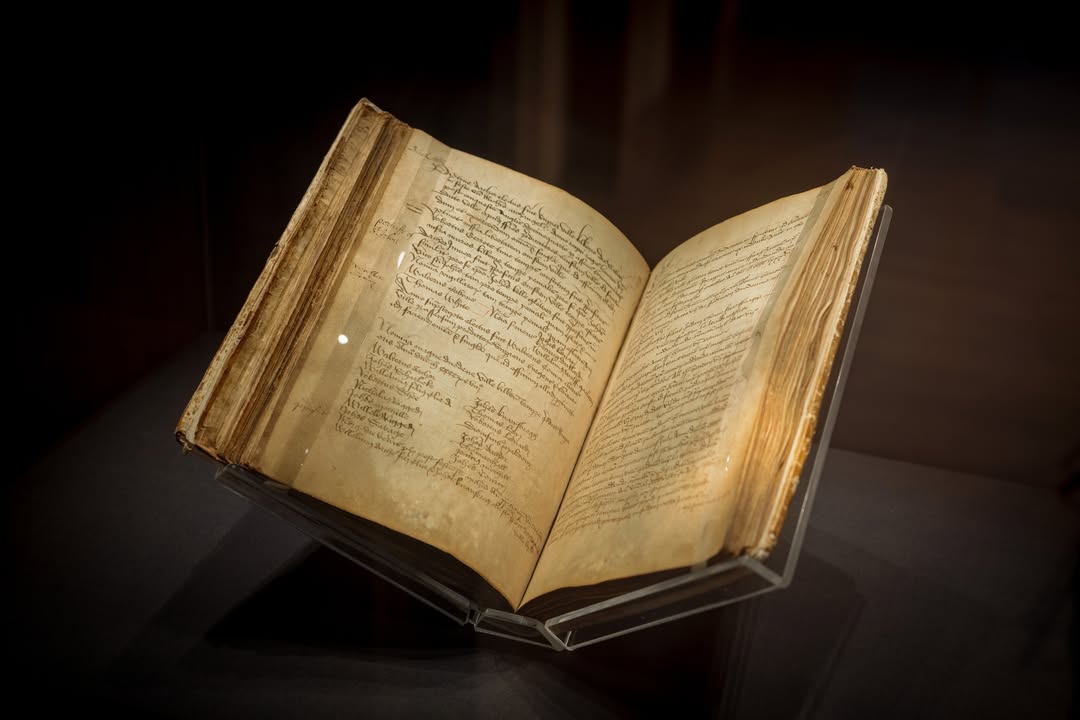
The Liber Primus is Kilkenny’s oldest town book which spans from 1231 to 1537. Written on an animal skin known as vellum, this manuscript sheds a light on Kilkenny’s past, sharing stories about the local government and history that shaped the city.
Since 1231, the sovereign and mayors of Kilkenny have been documented in this civic archive. One intriguing tradition it records is the annual gathering of the Kilkenny community during the Feast of St. Michael the Archangel to elect their sovereign. In fact, the famous Rothe merchant family, who held the title of sovereign 18 times, dedicated their chancery chapel here in St. Mary’s to St. Michael the Archangel.
But the Liber Primus isn’t just a record of politics, it also accounts the everyday lives and laws in Kilkenny. The book takes note of the employment of a special officer, known as a whips-beggar, to handle troublesome beggars on the streets. It also describes measures to uphold law and order, including consequences for using foul language or slandering officials. The manuscript also shows that there were set times for citizens to sweep the streets and they would get punished for not cleaning the path in front of their house at these times!
The Roof & Beams
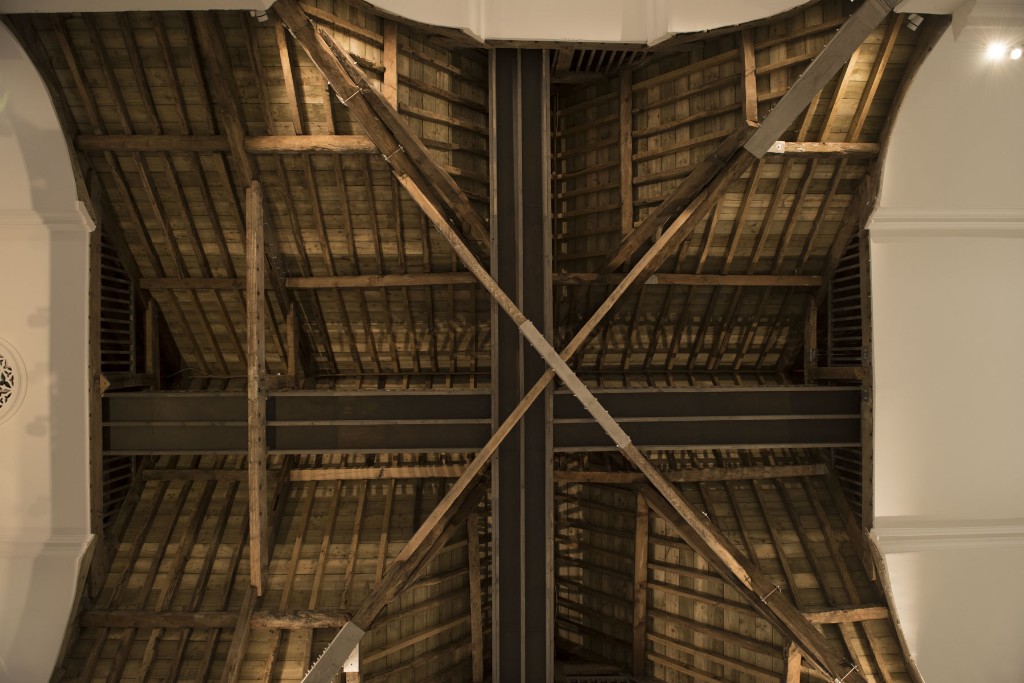
The roof of St. Mary’s Church is one of the best preserved of its kind in Ireland. The original roof structure and style dates back to the 1200s and there’s still pieces of the original beams here.
This style of roof can be seen a lot across Europe particularly France. There is a theory that the same carpenter who built the roof of the Notre Dame Cathedral in Paris, or someone who studied under them, built this very roof here in St. Mary’s!
There are two very interesting beams on display here in the museum that show symbols carved in the wood for different purposes.
Looking closer at these beams and you’ll see two intersecting v’s known as the virgin of virgins which were believed to prevent evil spirits from entering the building. They were also known as Marian symbols or witch marks, which makes sense here as there is a long association with Alice Kyteler in Kilkenny.
As well as these markings, there are also symbols known as carpenter marks. These were used for tracing work back to carpenters so if they did good work they received proper payment or if it was bad work they were let go.
The Bryan Vault
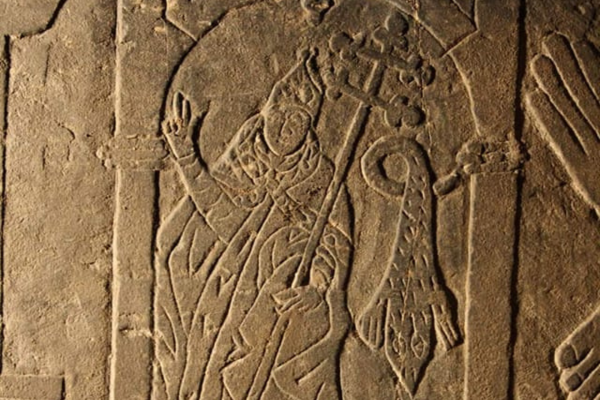
The Bryan family private burial vault has some of the most intriguing examples of the tombs on display here at the museum.
The vault showcases the craftsmanship of the O’Tunney and Kerin stonemasons, hailed as the elite artisans of the Renaissance. The O’Tunney’s excelled in carving lifelike figures, while the Kerin’s specialised in depicting religious carvings such as the Passion of Christ.
These included symbols like the crown of thorns worn during the crucifixion, a dog as a symbol of loyalty to their religion and their depiction of a snake. However, they didn’t know at the time what a real snake looked like so this one had legs!
Portuguese Azulejo Tiles
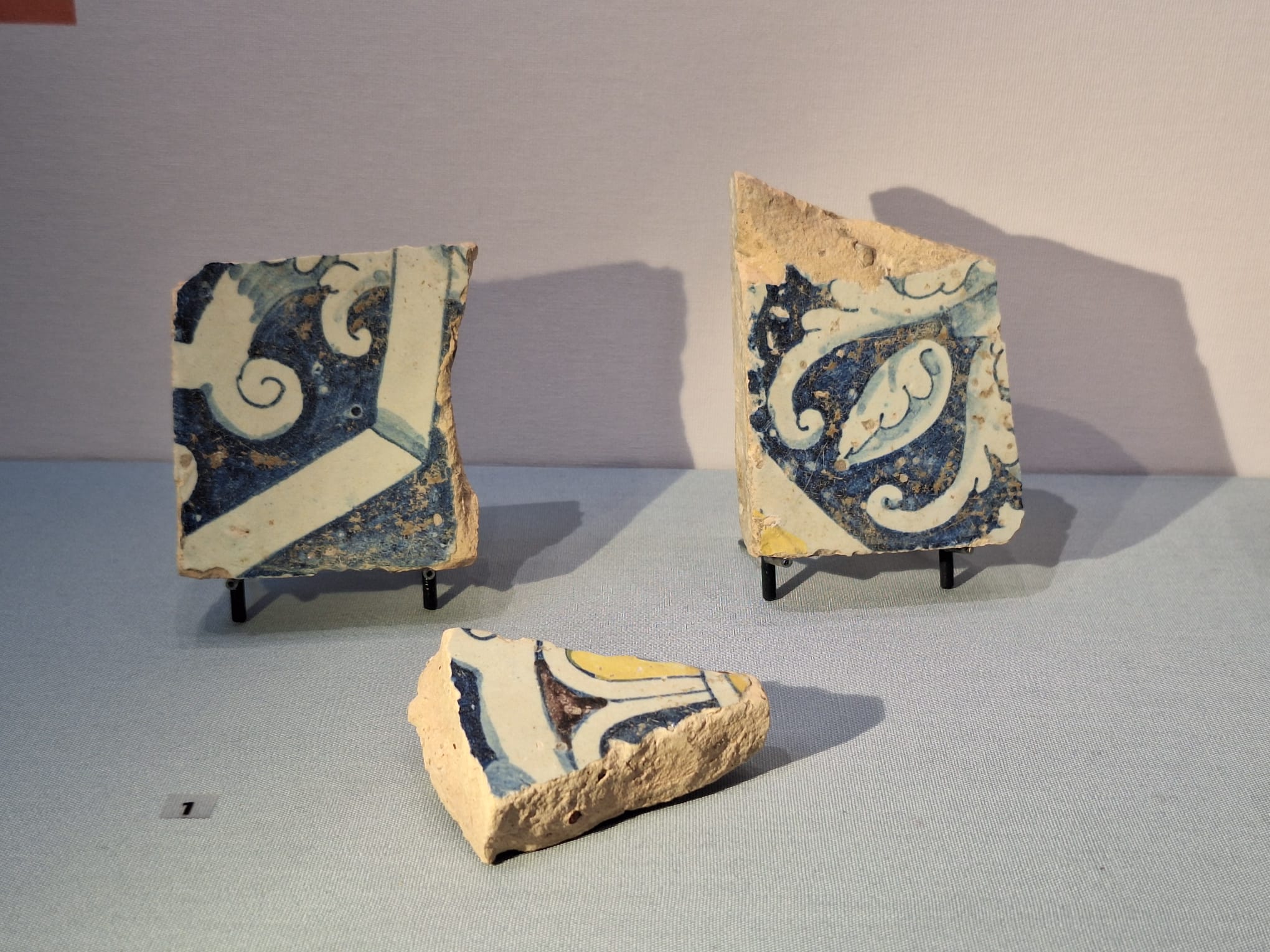
A very unique artefact within the Medieval Mile Museum is the eye catching Portuguese Azulejo tiles. These vibrant pieces were proof of the extensive trade connections Kilkenny had with Europe at the time. These tiles are examples of how important purgatory was to Kilkenny’s population especially the wealthy merchant class.
Those buried within the church itself sourced far and wide to decorate their family chapels. They believed that the more ornate their tombs were the more likely people were to pray for their soul in purgatory. The Rothe family went as far as to source special blue paint from Afghanistan to decorate their tombs with flowers!
These Portuguese tiles were used to decorate chancery chapels also. The walls would have been adorned with these patterned tile arrangements which is quite a contrast to the white walls we see today. These tiles are a reminder of what once was in this church and how special a find like this is to piece together St. Mary’s history.
The Medieval Mile Museum is much more than a collection of historic relics, it is a place where medieval Kilkenny comes back to life. From the sweeping laws of the Liber Primus to the whimsical legged serpents carved in stone, these treasures are waiting to be uncovered right in the heart of the city. Whether you are a lifelong history buff or just passing through the Marble City, make sure to step inside St. Mary’s and discover the stories of the Medieval Mile yourself and maybe even find out why we’re called the Marble City in the first place!
Discover more about Medieval Kilkenny through our
guided tours, immersive exhibits, and special events.
Click here to book your visit today.
For more info
Visit: www.medievalmilemuseum.ie
Call: 056 781 7022 | Email: info@medievalmilemuseum.ie